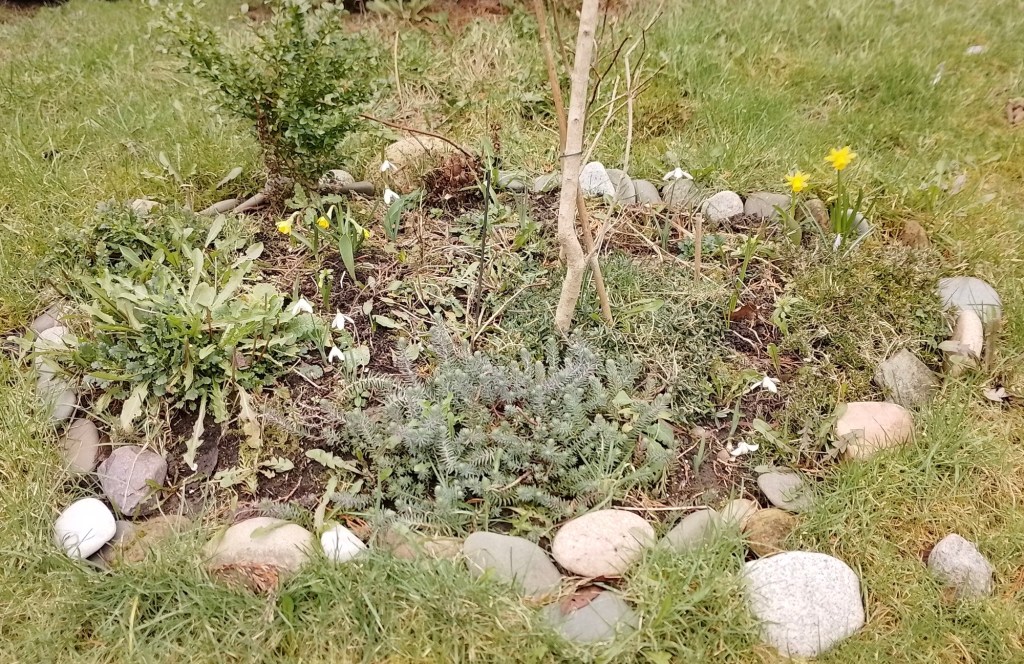
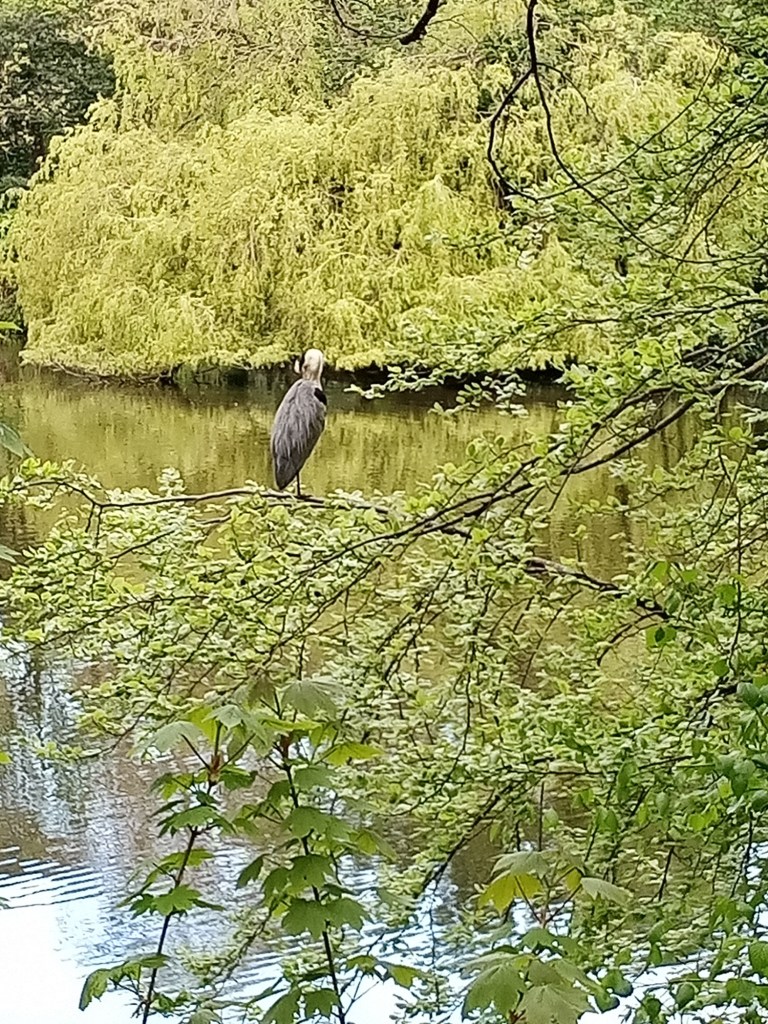
Came across this little spring time fairy garden on a walk today. Needs a little bit of love but it gives life to a small piece of grass which otherwise l would not of stopped to take a picture and share with you.
Little things can make a big difference, just like this little garden made to me today.
Notice what’s going on around you, acknowledge other people’s efforts and share the appreciation.
In today’s fast-paced and demanding work environment, mental self-care has become essential, especially for young professionals. Navigating career responsibilities, social expectations, and personal goals can be overwhelming, leading to burnout, stress, and even mental health issues. Prioritizing mental self-care isn’t just beneficial; it’s necessary for maintaining productivity, emotional balance, and overall well-being.
First, it’s important to recognize that mental self-care involves practices that nurture the mind and emotions. For young professionals, this often means setting boundaries to separate work from personal life. Although it can be tempting to be always available, constant connectivity often leads to exhaustion. Setting specific times to disconnect from work emails and notifications helps create space for relaxation and rejuvenation. Simple actions like these can significantly reduce stress and improve focus.
Additionally, incorporating mindfulness practices such as meditation or deep breathing exercises can be transformative. Even just a few minutes of mindfulness each day can reduce anxiety and help improve concentration. These practices teach us to be present in the moment, making it easier to handle challenges with a clear mind. Journaling is another useful tool, allowing you to process thoughts, reflect on achievements, and recognize areas where improvement is needed. It’s a simple yet effective way to connect with your emotions and gain insights into your personal growth.
Physical well-being also plays a critical role in mental self-care. Regular exercise, a balanced diet, and sufficient sleep are not just physical needs—they profoundly impact mental health. Exercise releases endorphins, the body’s natural mood enhancers, which can alleviate feelings of stress and depression. Similarly, eating nutritious foods and getting enough sleep provide the energy and mental clarity needed to tackle daily tasks with a positive outlook.
Finally, seeking support from others is crucial. Whether it’s talking with friends, family, or a mental health professional ( contact me using the link below)
Sharing feelings and experiences can relieve stress and provide new perspectives. There’s no shame in asking for help, and often, those around us are more willing to offer support than we might think.
In conclusion, mental self-care is essential for young professionals striving to balance the demands of modern life. By setting boundaries, practicing mindfulness, prioritizing physical health, and seeking support, it’s possible to cultivate resilience and maintain mental well-being. Making self-care a priority not only enhances personal happiness but also empowers professionals to succeed in both their personal and professional lives.
It’s usually the scream that alerts you. There is uninvited guest to dinner.
A moving shadow on the wall, the floor or God forbid the actual dinner table!
It’s that time of year again, the seasons are changing, but for the common garden spider it’s business as usual. Well fed on a summer bounty it’s time to come inside and find a mate.
“That’s nice, well for them, they have been kept pests off my hydrangeas all summer so the least they deserve is a little romance.” I hear you say?
Probably not as far as you are concerned, they can scroll along “Spider Tinder” and head for the other side of town.
But that’s not going to happen, they are in your house looking for love and don’t really give a damn what you think.
Think, how you think that’s the key. The spiders don’t care so why should you?
Because you do care, you believe spiders are:
• Ugly
• Scary
• Dangerous
• Harmful
They impact on your life, stopping you from doing things:
• Entering rooms in your house
• Gardening
• Hiking
• Even enjoying Halloween
So the real question is do you want this to continue? Feeling scared and anxious, missing out on pleasurable and indeed just normal activities?
What if you have had enough and want to think and feel differently?
What if you want to stop missing out and engaging more in life?
Well why not look into hypnotherapy?
Hypnotherapy: A Spider-Sense for Overcoming Arachnophobia
Arachnophobia, the fear of spiders, is a common phobia that can significantly impact a person’s quality of life. Many individuals find themselves avoiding activities like gardening, hiking, or even entering their own homes due to the fear of encountering a spider. Hypnotherapy, a therapeutic technique that utilizes the power of the mind, has emerged as a promising approach for overcoming arachnophobia.
How Does Hypnotherapy Work for Arachnophobia?
Hypnotherapy involves guiding a person into a deep state of relaxation and focus, often referred to as a trance. In this state, the therapist can work with the individual’s subconscious mind to address the underlying fears and beliefs associated with arachnophobia. This may involve:
* Identifying and challenging negative thoughts and beliefs: Hypnotherapists can help individuals identify and challenge irrational thoughts about spiders, such as believing they are dangerous or harmful.
* Rewiring neural pathways: Through hypnotherapy, it’s possible to rewire the brain’s neural pathways associated with fear, gradually replacing negative responses with more positive and neutral ones.
* Creating a sense of control: Hypnotherapy can help individuals develop a sense of control over their fear, enabling them to manage their anxiety and respond to spiders in a more rational way.
Benefits of Hypnotherapy for Arachnophobia
* Non-invasive and drug-free: Hypnotherapy is a natural and non-invasive approach that does not involve medication or invasive procedures.
* Tailored treatment: Hypnotherapy can be customized to address the specific needs and fears of each individual, ensuring a personalized treatment plan.
* Rapid results: Many individuals report experiencing significant improvements in their arachnophobia symptoms within a relatively short period of hypnotherapy sessions.
* Long-lasting benefits: The positive changes achieved through hypnotherapy can often be long-lasting, providing individuals with ongoing relief from their fear.
Is Hypnotherapy Right for You?
Hypnotherapy can be an effective tool for overcoming arachnophobia, but it’s important to note that it may not be suitable for everyone. If you’re considering hypnotherapy, contact me to discuss your specific situation and determine if it’s the right approach for you.
Remember, conquering arachnophobia is a journey, and the path may vary for each individual. With the help of hypnotherapy, I have helped many people to overcome their fear of spiders and regain their confidence in facing the world.
Social anxiety disorder or social phobia is much more than shyness.
It is an extreme fear that won’t go away.
It can touch on your:
• Everyday goings-on
• Self-confidence
• Relationships
• Work or school life
Most of us will worry about social situations from time-to-time. However someone with social anxiety feels worried before, during and after events.
I have been dealing with people with anxiety issues for over a decade and I believe that the following 5 steps will be beneficial to anyone with social anxiety / social phobia issues. For more information see anxietyclinicdublin.com
Symptoms of social anxiety:
• Fear meeting strangers, starting discussions, talking on the phone, working or shopping
• Avoid or worry a lot about social activities – group conversations, mixed company, and parties
• Worry about doing something you think is embarrassing – blushing, sweating or appearing useless
• Find it tough to do things when others are watching
• Fear blame, avoid eye contact or have low self-esteem
• Often have symptoms such as feeling sick, sweating, trembling or heart palpitations
• Have panic attacks
How you can overcome social anxiety:
Social anxiety can be difficult to deal with but there are things you can try yourself.
1. Understand your anxiety
Try to appreciate more about your anxiety. Think about what’s on your mind and which social situations you find the most problematic and how you behave in these situations. This will help you get a clearer idea of the specific areas or triggers that are most difficult for you.
2. Beliefs and assumptions
Assess your beliefs and assumptions about a situation. Ask yourself could they be unrealistic ones e.g. when you feel a social situation went poorly. Ask yourself did the whole situation go badly or just a bit of it. Check the facts to support this or if you’re assuming the worst.
3. Move your attention
Try to focus your attention to people, things, sounds, sights around you. Be aware that your anxiety symptoms might not be as evident as you might think and fear.
4. Do activities you would normally avoid
This can be hard at first. Start with small goals and work towards more dreadedevents gradually. Create a list of the circumstances that cause you to experience anxiety. From the most frightening situation to one that causes only a slight anxiety.
5. Hypnotherapy
A trained anxiety therapist can help you manage your thoughts, feelings and behaviour processes. Thus make you aware of how past events can influence the present and impact on your life going forward. By utilising various anxiety interventions techniques the therapist will help you:
➢ Develop acknowledgement of your current anxiety state
➢ Build resilience to the triggers of your anxiety
➢ Construct new powerful ways to deal with your thoughts, feelings and behaviours
➢ Give you the power to live the life you deserve.
For further information about coping with anxiety feel free to contact me:
I was recently asked if there is a phobia for everything. There’s certainly potential for this to be true and over the next few months I’m going to focus attention on specific phobias. So just to get started, here is an A to Z of phobias some of which you may be more familiar with than others. I have certainly not come across “Y” yet but there again who has?
A – Acrophobia – Fear of heights. B – Bibliophobia: Fear of books or reading. C – Coulrophobia: Fear of clowns. D – Dentophobia: Fear of dentists or dental procedures. E – Emetophobia: Fear of vomiting. F – Arachnophobia: Fear of spiders. G – Glossophobia: Fear of public speaking. H – Hydrophobia: Fear of water. I – Ichthyophobia: Fear of fish. J- jangelaphobia – fear of jelly. K – Katsaridaphobia: Fear of cockroaches. L – Lepidopterophobia: Fear of butterflies or moths. M – Mysophobia: Fear of germs or dirt. N – Nyctophobia: Fear of darkness or night. O – Ophidiophobia: Fear of snakes. P- Pogonophobia :Fear of beards Q – Quadraphobia:fear of the number four R – Trypanophobia: Fear of needles or injections. S – Scopophobia: Fear of being stared at or watched. T – Thanatophobia: Fear of death or dying. U – Uranophobia: Fear of heaven. V – Venustraphobia: Fear of beautiful women. W – Wiccaphobia: Fear of witches and witchcraft. X – Xenophobia: Fear of strangers or foreigners. Y – Yokai-phobia: Fear of Japanese supernatural creatures. Z – Zoophobia: Fear of animals.
Important that this message is well received, for him, his family and those feeling the same way. It’s never easy to make a call like this, as you are well aware, however the more we can spread this information the better for all of us.
Today is a further opportunity for all of us to become more aware that mental health is as important as physical heath and requires as much maintenance. Indeed to borrow a phrase from President Truman they are: “Two halves of the same walnut” So today of all days put your mental health first and take action as nothing changes without it. Also here’s a nutritional tip why not try eating a few walnuts as they just happen to be a superfood for the brain.
Always interesting to work with and learn from ASD clients. This article below will give you an insight into five ways how hypnosis can help. Well worth a read.
Read and reread this fantastic poem until you realise what fear really is.
It is said that before entering the sea a river trembles with fear.
She looks back at the path she has traveled, from the peaks of the mountains, the long winding road crossing forests and villages.
And in front of her, she sees an ocean so vast, that to enter there seems nothing more than to disappear forever.
But there is no other way. The river can not go back.
Nobody can go back. To go back is impossible in existence.
The river needs to take the risk of entering the ocean because only then will fear disappear, because that’s where the river will know it’s not about disappearing into the ocean, but of becoming the ocean.
I love Spring I love cherry blossom trees Seeing the changes and growth in nature reminds me that we too can harness this change and growth. Immerse yourself in nature you’ll feel better for it.
Whether you believe in the concept of altruism or laws of attraction or even if you don’t well there is no harm in trying. So this August why not follow the daily suggestions as outlined above on the calendar and you might just surprise yourself how different you feel.
You have nothing to lose and all to gain. So start today by consciously focusing on being kind to both yourself and others.