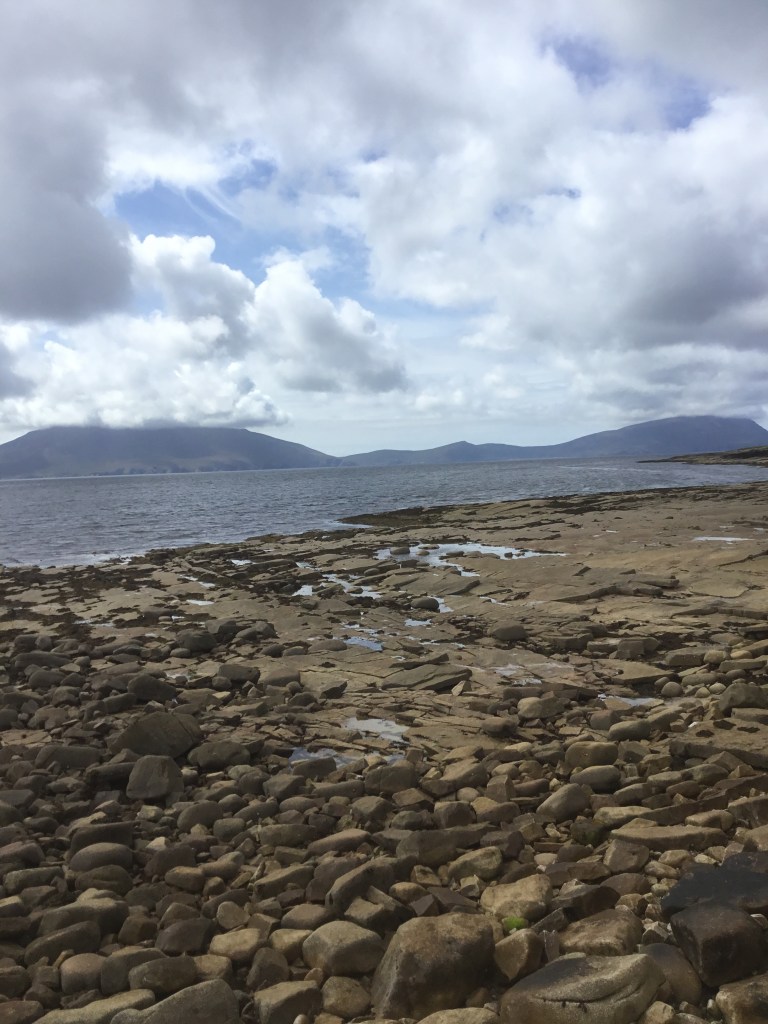
Great post outlining the benefits of something readily available to us all. The cost of which might just surprise you.
Tag: Destress
-
10 benefits of a day off. What’s your favourite?
Taking a day off from work or regular responsibilities can have several benefits for your overall well-being and productivity. Here are some of the key advantages:
- Rest and Relaxation: A day off provides an opportunity to recharge your energy and reduce stress levels. It allows you to step away from the demands of work and take time for yourself.
- Mental Health: Regular breaks and time off can positively impact your mental health. It can help prevent burnout, reduce feelings of overwhelm, and improve your mood.
- Physical Health: Taking a day off can give your body a chance to recover from physical strain and potential ailments related to stress and overwork.
- Increased Productivity: Paradoxically, taking time off can boost your productivity in the long run. It allows you to return to work feeling refreshed and more focused, potentially leading to higher-quality work and better problem-solving abilities.
- Enhanced Creativity: Stepping away from your routine can foster creativity and inspiration. Having new experiences and exploring different activities can stimulate your mind and lead to fresh ideas.
- Work-Life Balance: Taking regular days off is essential for maintaining a healthy work-life balance. It enables you to spend quality time with family and friends, pursue hobbies, and engage in activities you enjoy.
- Prevention of Burnout: When people overexert themselves without taking breaks, it can lead to burnout, which negatively affects their physical and mental health. Taking time off helps to prevent burnout and fosters long-term job satisfaction.
- Improved Relationships: Spending time away from work can strengthen relationships with family and friends. It allows you to be more present and engaged during your time off.
- Self-Care: Taking a day off is a form of self-care, which is crucial for maintaining a healthy and balanced lifestyle.
- Long-Term Health Benefits: Consistently taking days off and managing stress can have positive effects on your long-term health, reducing the risk of stress-related illnesses.
Remember, the benefits of taking a day off can be maximized when you use your time intentionally. Engaging in activities that bring you joy, practicing mindfulness, and avoiding work-related tasks during your day off can help you reap the full advantages of this well-deserved break.
So ditch the guilt and jump right in, you deserve it, go on treat yourself.
Have a good one.
David
-
Feeding anxiety through repetition

Cannot sleep Picture the scene, your in bed, anxiously just lying there,the seconds on the clock becoming minutes which soon become hours. No sleep just thoughts bouncing around your head. This is so common when we are anxious.Worry, stress, rerun conversations going round and round and feeling totally bushwhacked when it’s time to get up.
We never seem to be able to relax, always walking zombie like through life always making mistakes and that no matter how hard we try we always seem to be in trouble or doing things wrong.
Despite our best of intentions of trying to keep helping other people, or to make a positive difference, it all seems to keep going wrong.
Sometimes when we are anxious, we end up trying too hard, or not seeing the problems in what we’re doing, because we’re rushing around not able to focus on what we are doing we end up making a mess of things.
I can think of so many people who just couldn’t stop and kept making things worse even though they had the best of intentions.
When the anxiety systems of the brain are active, we’ll often get that knot in the stomach, or a tight chest, and those physical feelings make everything feel urgent and really strong. We act instinctively trying to do the right thing but time after time it seems like we just keep getting it wrong.
The more you try the worse it seems to get , your anxiety feeding self doubts and feelings of failure. You beat yourself up over the smallest things , you feel alone as if it’s only you going through this constant cycle of anxious failure.
It doesn’t all have to be like this. Little changes can make a big difference. Cutting stress with simple activities like mindfulness, exercise, focused breathing etc can all dial down the strength of that worry reaction.
However, if there’s been a lifelong tendency of anxiety or to always be worrying, or having constant mental reruns , then there’s probably a lot of opportunity to make life better by dealing with those issues. That’s what has completely turned the lives around for many people I have seen.
My honest advice is be true to yourself and make a list of what and how often you are worrying or stressing and see how big an issue it is in life. You can choose to ignore it but if that’s what you have been doing up until now ask yourself how that’s been working out for you.
There are a lot of proven ways to reduce anxiety, worry, fears and phobias – I use a variety of strategies tailored to personal needs.
Recognizing that there’s room for improvement in life is very often the first step that takes us to doing what we need to do to make our life better in the future.
You have lost enough sleep to anxiety now is the time to get the help you need.
David McAllister Contact