In today’s fast-paced and demanding work environment, mental self-care has become essential, especially for young professionals. Navigating career responsibilities, social expectations, and personal goals can be overwhelming, leading to burnout, stress, and even mental health issues. Prioritizing mental self-care isn’t just beneficial; it’s necessary for maintaining productivity, emotional balance, and overall well-being.
First, it’s important to recognize that mental self-care involves practices that nurture the mind and emotions. For young professionals, this often means setting boundaries to separate work from personal life. Although it can be tempting to be always available, constant connectivity often leads to exhaustion. Setting specific times to disconnect from work emails and notifications helps create space for relaxation and rejuvenation. Simple actions like these can significantly reduce stress and improve focus.
Additionally, incorporating mindfulness practices such as meditation or deep breathing exercises can be transformative. Even just a few minutes of mindfulness each day can reduce anxiety and help improve concentration. These practices teach us to be present in the moment, making it easier to handle challenges with a clear mind. Journaling is another useful tool, allowing you to process thoughts, reflect on achievements, and recognize areas where improvement is needed. It’s a simple yet effective way to connect with your emotions and gain insights into your personal growth.
Physical well-being also plays a critical role in mental self-care. Regular exercise, a balanced diet, and sufficient sleep are not just physical needs—they profoundly impact mental health. Exercise releases endorphins, the body’s natural mood enhancers, which can alleviate feelings of stress and depression. Similarly, eating nutritious foods and getting enough sleep provide the energy and mental clarity needed to tackle daily tasks with a positive outlook.
Finally, seeking support from others is crucial. Whether it’s talking with friends, family, or a mental health professional ( contact me using the link below)
Sharing feelings and experiences can relieve stress and provide new perspectives. There’s no shame in asking for help, and often, those around us are more willing to offer support than we might think.
In conclusion, mental self-care is essential for young professionals striving to balance the demands of modern life. By setting boundaries, practicing mindfulness, prioritizing physical health, and seeking support, it’s possible to cultivate resilience and maintain mental well-being. Making self-care a priority not only enhances personal happiness but also empowers professionals to succeed in both their personal and professional lives.
Social anxiety disorder or social phobia is much more than shyness.
It is an extreme fear that won’t go away.
It can touch on your:
• Everyday goings-on
• Self-confidence
• Relationships
• Work or school life
Most of us will worry about social situations from time-to-time. However someone with social anxiety feels worried before, during and after events.
I have been dealing with people with anxiety issues for over a decade and I believe that the following 5 steps will be beneficial to anyone with social anxiety / social phobia issues. For more information see anxietyclinicdublin.com
Symptoms of social anxiety:
• Fear meeting strangers, starting discussions, talking on the phone, working or shopping
• Avoid or worry a lot about social activities – group conversations, mixed company, and parties
• Worry about doing something you think is embarrassing – blushing, sweating or appearing useless
• Find it tough to do things when others are watching
• Fear blame, avoid eye contact or have low self-esteem
• Often have symptoms such as feeling sick, sweating, trembling or heart palpitations
• Have panic attacks
How you can overcome social anxiety:
Social anxiety can be difficult to deal with but there are things you can try yourself.
1. Understand your anxiety
Try to appreciate more about your anxiety. Think about what’s on your mind and which social situations you find the most problematic and how you behave in these situations. This will help you get a clearer idea of the specific areas or triggers that are most difficult for you.
2. Beliefs and assumptions
Assess your beliefs and assumptions about a situation. Ask yourself could they be unrealistic ones e.g. when you feel a social situation went poorly. Ask yourself did the whole situation go badly or just a bit of it. Check the facts to support this or if you’re assuming the worst.
3. Move your attention
Try to focus your attention to people, things, sounds, sights around you. Be aware that your anxiety symptoms might not be as evident as you might think and fear.
4. Do activities you would normally avoid
This can be hard at first. Start with small goals and work towards more dreadedevents gradually. Create a list of the circumstances that cause you to experience anxiety. From the most frightening situation to one that causes only a slight anxiety.
5. Hypnotherapy
A trained anxiety therapist can help you manage your thoughts, feelings and behaviour processes. Thus make you aware of how past events can influence the present and impact on your life going forward. By utilising various anxiety interventions techniques the therapist will help you:
➢ Develop acknowledgement of your current anxiety state
➢ Build resilience to the triggers of your anxiety
➢ Construct new powerful ways to deal with your thoughts, feelings and behaviours
➢ Give you the power to live the life you deserve.
For further information about coping with anxiety feel free to contact me:
Wise words from the band Magazine in their song “About the Weather” however I wonder how many of us get stuck on the weather and how it affects our mood.
As the summer solstice fast approaches here in the northern hemisphere, it is fair to say that the weather hasn’t reflected this much so far. Certainly here in Ireland autumnal coats and hats are still in fashion and retail shops will soon be selling off their unwanted summer stock.
However let’s put things into perspective worrying about the weather is pointless for several reasons:
Uncontrollable Nature: The weather is a natural phenomenon that cannot be controlled by individuals. Worrying about something you have no control over is generally unproductive.
Forecast Accuracy: Modern weather forecasting is relatively accurate, and being prepared based on forecasts is more practical than worrying.
Inevitability: Weather will happen regardless of concern. Accepting and adapting to it is more beneficial than stressing over it.
Emotional Impact: Worrying can lead to unnecessary stress and anxiety, which can affect mental health negatively.
Focus on Action: Instead of worrying, it’s more useful to focus on actions you can take, like dressing appropriately, planning indoor activities, or rescheduling events.
In essence, while it’s important to be aware and prepared for the weather, worrying about it doesn’t offer any practical benefits.
So let the weather be and focus on what you can deal with, your thoughts, feelings and behaviours.
Remember the sun always shines even behind the clouds.
These were the words of someone I knew suffering from Musophobia, the fear of mice.
Now the mouse in question was not a real mouse , l think we all would have a reasonable expectation to be scared if it was. Like something that has escaped from a laboratory experiment that has gone terribly wrong.
No, this was a teacher dressed up as the dormouse in their child’s school production of :Alice in Wonderland.
Nonetheless the fear still existed as did the symptoms such as sweating, trembling, rapid heartbeat, shortness of breath, and nausea.
The production was fast approaching and they were desperate to attend and not to miss their child’s performance.
So we got down to work, using the powers of hypnotic imagination and concentration in a relaxed state. Utilising powerful suggestion and imagery to address the underlying fears and anxieties associated with mice ( of any shape or size).
I have to admit it was touch and go as the deadline grew closer but before the curtain was raised they occupied their seat to be part of a performance of a lifetime ( and the show wasn’t too bad either, although the dormouse did seem to sleep through most of the show…)
You see you don’t have to succumb to your fears and phobias and miss out on the pleasures in life.
There is always a choice, a choice to live your life on your terms and seize the opportunities that fear can rob you from.
Important that this message is well received, for him, his family and those feeling the same way. It’s never easy to make a call like this, as you are well aware, however the more we can spread this information the better for all of us.
Today is a further opportunity for all of us to become more aware that mental health is as important as physical heath and requires as much maintenance. Indeed to borrow a phrase from President Truman they are: “Two halves of the same walnut” So today of all days put your mental health first and take action as nothing changes without it. Also here’s a nutritional tip why not try eating a few walnuts as they just happen to be a superfood for the brain.
Always interesting to work with and learn from ASD clients. This article below will give you an insight into five ways how hypnosis can help. Well worth a read.
Read and reread this fantastic poem until you realise what fear really is.
It is said that before entering the sea a river trembles with fear.
She looks back at the path she has traveled, from the peaks of the mountains, the long winding road crossing forests and villages.
And in front of her, she sees an ocean so vast, that to enter there seems nothing more than to disappear forever.
But there is no other way. The river can not go back.
Nobody can go back. To go back is impossible in existence.
The river needs to take the risk of entering the ocean because only then will fear disappear, because that’s where the river will know it’s not about disappearing into the ocean, but of becoming the ocean.
Taking a day off from work or regular responsibilities can have several benefits for your overall well-being and productivity. Here are some of the key advantages:
Rest and Relaxation: A day off provides an opportunity to recharge your energy and reduce stress levels. It allows you to step away from the demands of work and take time for yourself.
Mental Health: Regular breaks and time off can positively impact your mental health. It can help prevent burnout, reduce feelings of overwhelm, and improve your mood.
Physical Health: Taking a day off can give your body a chance to recover from physical strain and potential ailments related to stress and overwork.
Increased Productivity: Paradoxically, taking time off can boost your productivity in the long run. It allows you to return to work feeling refreshed and more focused, potentially leading to higher-quality work and better problem-solving abilities.
Enhanced Creativity: Stepping away from your routine can foster creativity and inspiration. Having new experiences and exploring different activities can stimulate your mind and lead to fresh ideas.
Work-Life Balance: Taking regular days off is essential for maintaining a healthy work-life balance. It enables you to spend quality time with family and friends, pursue hobbies, and engage in activities you enjoy.
Prevention of Burnout: When people overexert themselves without taking breaks, it can lead to burnout, which negatively affects their physical and mental health. Taking time off helps to prevent burnout and fosters long-term job satisfaction.
Improved Relationships: Spending time away from work can strengthen relationships with family and friends. It allows you to be more present and engaged during your time off.
Self-Care: Taking a day off is a form of self-care, which is crucial for maintaining a healthy and balanced lifestyle.
Long-Term Health Benefits: Consistently taking days off and managing stress can have positive effects on your long-term health, reducing the risk of stress-related illnesses.
Remember, the benefits of taking a day off can be maximized when you use your time intentionally. Engaging in activities that bring you joy, practicing mindfulness, and avoiding work-related tasks during your day off can help you reap the full advantages of this well-deserved break.
So ditch the guilt and jump right in, you deserve it, go on treat yourself.
30 days and 30 ways to make life a little bit more positive.
Try out the daily tasks see which ones work best for you. Keep going until the end of June. If you miss one or two, that’s okay, the tasks are small enough and doable enough to double up on any given day.
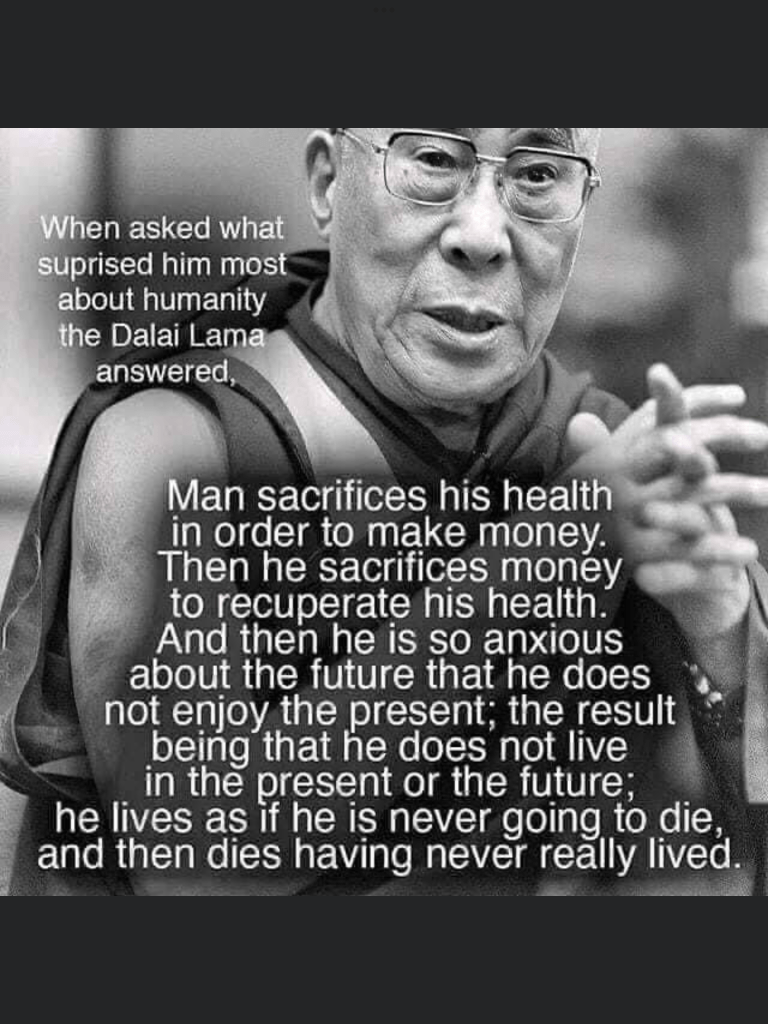
Although we are nearing the end of the year and we reflect on the past and look forward to the future; how many of us take the time to be in the present?
We can only be physically in the present so let’s bring our minds there too.
An interesting portmanteau for hangover and anxiety. Growing up I would known this as “the fear”. An interesting article which for me highlights the need to go with your anxiety, listen to what it is telling you, there is much truth in the old Latin saying,”In vino veritas”. We can learn lessons from anything and anyone and this might be another way to really focus in what your mind and body are telling you. However remember to enjoy yourself as time does march on , as always it’s a question of balance and if you do find yourself in that Sunday morning state of “hang-xiety” , take your “go to” cure (mine was Irn Bru, for those unfamiliar with this drink you are missing a trick) and sit down and listen to yourself as school is in for an unfiltered session on what’s going on in your life.