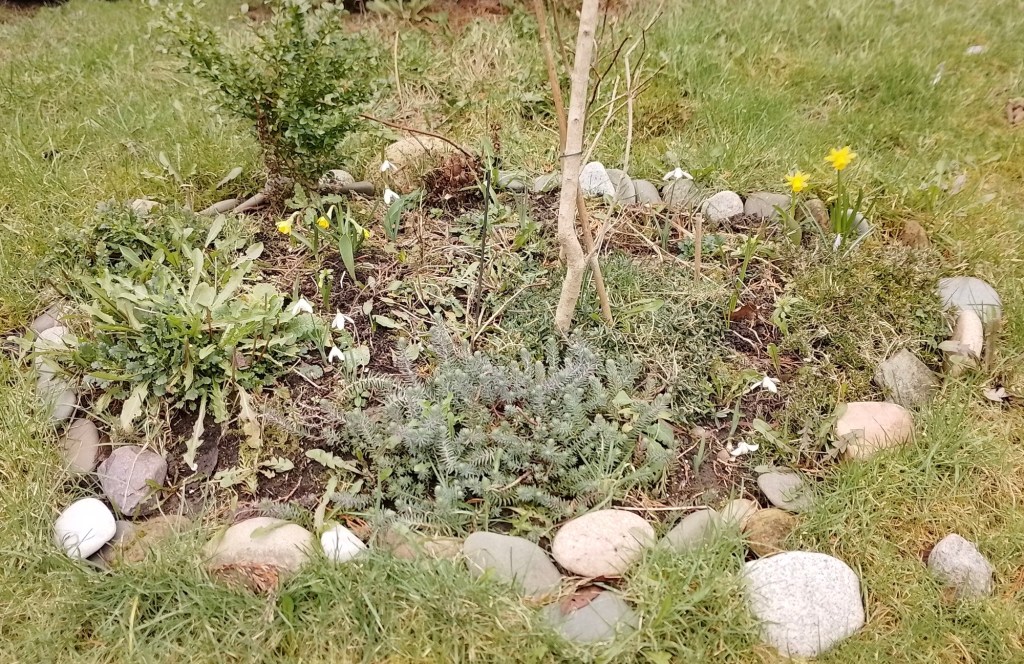
Came across this little spring time fairy garden on a walk today. Needs a little bit of love but it gives life to a small piece of grass which otherwise l would not of stopped to take a picture and share with you.
Little things can make a big difference, just like this little garden made to me today.
Notice what’s going on around you, acknowledge other people’s efforts and share the appreciation.
With Halloween fast approaching it can often evoke themes of fear, making it a prime time for the spotlight on various phobias. Here are some of the most common phobias associated with Halloween (incidentally there is nothing funny about no. 6):
1. Samhainophobia – Fear of Halloween: Named after Samhain, the ancient Celtic festival that Halloween is based on, this phobia refers to a fear of Halloween itself and the associated symbols, events, and customs.
2. Nyctophobia – Fear of the Dark: Halloween activities often take place at night, and many people with this phobia may feel heightened anxiety as darkness is a central element of the holiday.
3. Phasmophobia – Fear of Ghosts: Ghosts are a common theme during Halloween, making people with this phobia especially uncomfortable around the imagery or discussions of spirits and the supernatural.
4. Arachnophobia – Fear of Spiders: Spiders are a frequent Halloween decoration, and people with this common phobia may feel anxious or disturbed by the appearance of spiders, real or fake.
5. Claustrophobia – Fear of Enclosed Spaces: Haunted houses and Halloween attractions often involve cramped, dark spaces, which can trigger feelings of claustrophobia.
6. Coulrophobia – Fear of Clowns: Halloween often brings out people in clown costumes, which can provoke extreme anxiety for those who suffer from this fear.
7. Necrophobia – Fear of Death or Dead Things: Halloween’s association with death, including skeletons, graveyards, and depictions of the undead, can be overwhelming for those with necrophobia.
8. Thanatophobia – Fear of Dying: Related to necrophobia but more focused on the individual’s own mortality, Halloween’s death-related imagery can exacerbate this fear.
9. Hemophobia – Fear of Blood: With many costumes and decorations featuring fake blood or gory themes, this phobia may be heightened during Halloween.
10. Masklophobia – Fear of Masks: Halloween costumes often involve masks, which can trigger fear and anxiety in people uncomfortable with concealed faces.
These phobias are intensified by the themes of horror, death, and the unknown that are central to Halloween celebrations but it doesn’t have to be all trick and no treat.
These phobias can be dealt with and managed effectively if you are willing to give up what you are holding onto.
If any of the above affects you emotionally then feel free to contact me to discuss how you can best get the help you need.
I am sometimes asked if a fear of heights (acrophobia) and a fear of flying (aviophobia or aerophobia) are connected as I have came across many people happy to get on an aeroplane to cross an ocean yet can’t climb a ladder to clean a window and vice versa.
Like most phobias the psychological and physical responses are the same such as:
• increased heart rate, sweating, dizziness, and panic attacks.
• negative thinking patterns and previous experiences, can influence both fears.
However the triggers are different :
• Acrophobia: This fear is triggered by situations where an individual is at a high elevation and can see the drop, such as being on a tall building, a ladder, or a cliff. The fear is often related to the potential for falling(basiphobia)
• Aviophobia: This fear is specifically related to the act of flying in an airplane. It can be triggered by various aspects of flying, such as takeoff, turbulence, or the confined space of an aircraft, and may include fears of crashing or lack of control.
Yet there are overlaps and differences:
• People with acrophobia may also experience fear when flying because airplanes are high above the ground. The thought of being high up can trigger anxiety even if the context is different.
• However, not all people with acrophobia have a fear of flying. Some might feel safe within the enclosed environment of an airplane, where they do not perceive the height in the same way as being on an open structure.
• Conversely, some people with a fear of flying do not have a fear of heights. Their fear may be more related to the specifics of being in an aircraft, such as claustrophobia, turbulence, or the inability to escape the situation easily.
Thus , while there is a potential connection between a fear of heights and a fear of flying, they are distinct phobias with different triggers and may or may not co-occur in the same individual. Yet other phobias such as basiphobia and claustrophobia may be more connected and play a part in the fear triggers and responses.
Hypnotherapy is a powerful proven therapeutic method for dealing with the emotional responses to these fears and phobias and can easily be applied to anyone who wants to get on with their lives. Perhaps visiting people in far away places or getting on the rollercoaster rides with the kids.
You see you don’t have to succumb to your fears and phobias and miss out on the pleasures in life.
There is always a choice, a choice to live your life on your terms and seize the opportunities that fear can rob you from.
I was recently asked if there is a phobia for everything. There’s certainly potential for this to be true and over the next few months I’m going to focus attention on specific phobias. So just to get started, here is an A to Z of phobias some of which you may be more familiar with than others. I have certainly not come across “Y” yet but there again who has?
A – Acrophobia – Fear of heights. B – Bibliophobia: Fear of books or reading. C – Coulrophobia: Fear of clowns. D – Dentophobia: Fear of dentists or dental procedures. E – Emetophobia: Fear of vomiting. F – Arachnophobia: Fear of spiders. G – Glossophobia: Fear of public speaking. H – Hydrophobia: Fear of water. I – Ichthyophobia: Fear of fish. J- jangelaphobia – fear of jelly. K – Katsaridaphobia: Fear of cockroaches. L – Lepidopterophobia: Fear of butterflies or moths. M – Mysophobia: Fear of germs or dirt. N – Nyctophobia: Fear of darkness or night. O – Ophidiophobia: Fear of snakes. P- Pogonophobia :Fear of beards Q – Quadraphobia:fear of the number four R – Trypanophobia: Fear of needles or injections. S – Scopophobia: Fear of being stared at or watched. T – Thanatophobia: Fear of death or dying. U – Uranophobia: Fear of heaven. V – Venustraphobia: Fear of beautiful women. W – Wiccaphobia: Fear of witches and witchcraft. X – Xenophobia: Fear of strangers or foreigners. Y – Yokai-phobia: Fear of Japanese supernatural creatures. Z – Zoophobia: Fear of animals.
The Guardian article a quick walk leads to bright ideas
A great article on the benefits for getting outside and moving. That bright idea that has been alluding you might just be a few steps around the block away. Give it a go today you might just surprise yourself.
Taking a day off from work or regular responsibilities can have several benefits for your overall well-being and productivity. Here are some of the key advantages:
Rest and Relaxation: A day off provides an opportunity to recharge your energy and reduce stress levels. It allows you to step away from the demands of work and take time for yourself.
Mental Health: Regular breaks and time off can positively impact your mental health. It can help prevent burnout, reduce feelings of overwhelm, and improve your mood.
Physical Health: Taking a day off can give your body a chance to recover from physical strain and potential ailments related to stress and overwork.
Increased Productivity: Paradoxically, taking time off can boost your productivity in the long run. It allows you to return to work feeling refreshed and more focused, potentially leading to higher-quality work and better problem-solving abilities.
Enhanced Creativity: Stepping away from your routine can foster creativity and inspiration. Having new experiences and exploring different activities can stimulate your mind and lead to fresh ideas.
Work-Life Balance: Taking regular days off is essential for maintaining a healthy work-life balance. It enables you to spend quality time with family and friends, pursue hobbies, and engage in activities you enjoy.
Prevention of Burnout: When people overexert themselves without taking breaks, it can lead to burnout, which negatively affects their physical and mental health. Taking time off helps to prevent burnout and fosters long-term job satisfaction.
Improved Relationships: Spending time away from work can strengthen relationships with family and friends. It allows you to be more present and engaged during your time off.
Self-Care: Taking a day off is a form of self-care, which is crucial for maintaining a healthy and balanced lifestyle.
Long-Term Health Benefits: Consistently taking days off and managing stress can have positive effects on your long-term health, reducing the risk of stress-related illnesses.
Remember, the benefits of taking a day off can be maximized when you use your time intentionally. Engaging in activities that bring you joy, practicing mindfulness, and avoiding work-related tasks during your day off can help you reap the full advantages of this well-deserved break.
So ditch the guilt and jump right in, you deserve it, go on treat yourself.
30 days and 30 ways to make life a little bit more positive.
Try out the daily tasks see which ones work best for you. Keep going until the end of June. If you miss one or two, that’s okay, the tasks are small enough and doable enough to double up on any given day.
I love Spring I love cherry blossom trees Seeing the changes and growth in nature reminds me that we too can harness this change and growth. Immerse yourself in nature you’ll feel better for it.
Good to see hypnotherapy suggested as a positive way of managing your anxiety (number 7).
Taking action is imperative when dealing with anxiety, seeking out help from a well trained hypnotherapist such as all the members of the CHPA (chpa.ie) can make all the difference.
Don’t leave it to chance, if you or someone you know, is need of help in dealing with anxiety then contact the CHPA, where a hypnotherapy professional will be happy to help.
An interesting portmanteau for hangover and anxiety. Growing up I would known this as “the fear”. An interesting article which for me highlights the need to go with your anxiety, listen to what it is telling you, there is much truth in the old Latin saying,”In vino veritas”. We can learn lessons from anything and anyone and this might be another way to really focus in what your mind and body are telling you. However remember to enjoy yourself as time does march on , as always it’s a question of balance and if you do find yourself in that Sunday morning state of “hang-xiety” , take your “go to” cure (mine was Irn Bru, for those unfamiliar with this drink you are missing a trick) and sit down and listen to yourself as school is in for an unfiltered session on what’s going on in your life.
Picture the scene, your in bed, anxiously just lying there,the seconds on the clock becoming minutes which soon become hours. No sleep just thoughts bouncing around your head. This is so common when we are anxious.Worry, stress, rerun conversations going round and round and feeling totally bushwhacked when it’s time to get up.
We never seem to be able to relax, always walking zombie like through life always making mistakes and that no matter how hard we try we always seem to be in trouble or doing things wrong.
Despite our best of intentions of trying to keep helping other people, or to make a positive difference, it all seems to keep going wrong.
Sometimes when we are anxious, we end up trying too hard, or not seeing the problems in what we’re doing, because we’re rushing around not able to focus on what we are doing we end up making a mess of things.
I can think of so many people who just couldn’t stop and kept making things worse even though they had the best of intentions.
When the anxiety systems of the brain are active, we’ll often get that knot in the stomach, or a tight chest, and those physical feelings make everything feel urgent and really strong. We act instinctively trying to do the right thing but time after time it seems like we just keep getting it wrong.
The more you try the worse it seems to get , your anxiety feeding self doubts and feelings of failure. You beat yourself up over the smallest things , you feel alone as if it’s only you going through this constant cycle of anxious failure.
It doesn’t all have to be like this. Little changes can make a big difference. Cutting stress with simple activities like mindfulness, exercise, focused breathing etc can all dial down the strength of that worry reaction.
However, if there’s been a lifelong tendency of anxiety or to always be worrying, or having constant mental reruns , then there’s probably a lot of opportunity to make life better by dealing with those issues. That’s what has completely turned the lives around for many people I have seen.
My honest advice is be true to yourself and make a list of what and how often you are worrying or stressing and see how big an issue it is in life. You can choose to ignore it but if that’s what you have been doing up until now ask yourself how that’s been working out for you.
There are a lot of proven ways to reduce anxiety, worry, fears and phobias – I use a variety of strategies tailored to personal needs.
Recognizing that there’s room for improvement in life is very often the first step that takes us to doing what we need to do to make our life better in the future.
You have lost enough sleep to anxiety now is the time to get the help you need.
Whether you believe in the concept of altruism or laws of attraction or even if you don’t well there is no harm in trying. So this August why not follow the daily suggestions as outlined above on the calendar and you might just surprise yourself how different you feel.
You have nothing to lose and all to gain. So start today by consciously focusing on being kind to both yourself and others.
It’s a simple enough question, you would think. However are you feeling anxious just thinking about how to answer?
We all assume that working hard is a good thing and many studies suggest that having a good work ethic enhances your motivation, discipline and encourages continuous skill set improvements.
That may be true however at what cost?
I encounter many hard working people at my anxiety clinic who despite putting in all the effort still feel anxious, stressed and a feeling of being overwhelmed.
So what can be done to reduce these anxious feelings?
Well let’s start by saying working hard is a good thing but in the right way at the right time. So continue to work hard but just enhance it by adding the following suggestions:
1. Grade Tasks in level of importance : Focus your time and energy on what matters the most first and prioritise others accordingly.
2. Be goal specific : Nothing new in this however don’t get hung up if they don’t work out. It’s the journey not the destination that matters.
3. Utilise technology : Embrace the 21st Century’s technology. Such as: productivity apps, automated repetitive tasks and online resources
4. Time Outs : Essential to recharge your batteries. Be guilt free and embrace your breaks. You will feel better for it.
5. See the learning : There are no mistakes, only feedback, acknowledge it and use it to improve.
By letting go of the feeling of having to do everything will give you the ability to get the right thing done at the right time. Do it, you might just surprise yourself.
With the easing of restrictions and suggestions that we are closing in on the final chapters of the pandemic, there are numerous reasons to feel optimistic that we may soon return to a ‘normal life ’.
Just imagine no face masks, no Covid tests and no more social distancing, sounds good , right?
Taking off a Face mask
However it’s understandable to feel nervous and anxious about this new transitional stage and the changes associated with it. Trust me you are not alone if you feel this way.
Our minds and bodies have been on “Red Alert” for a long time now about protecting our health and any sudden changes to our behaviour may cause fear and confusion and an increased risk of social anxiety.
We may feel that we are under scrutiny and overthink our interactions with others around us leading to even more anxious feelings.
Here are my 5 top tips for coping with the easing of restrictions:
1.Drop feeling guilty
It’s okay to feel anxious and by acknowledging and accepting this it will free up your feelings instead of bottling them up. Changes are going to happen and you don’t have to be ecstatic about it. Chat to friends and colleagues you may be surprised to find you are not alone feeling the way you do.
2. Pace yourself
It’s going to be strange for all of us for a while as we meditate our way from where we were to where we are going. Others might be happy to jump right back into work, pubs and clubs whereas others might not be too keen.
What is important is that you increase exposure at your own pace and find what is comfortable for you, such as , continuing to wear a mask for a while. Furthermore be honest and open about how you feel in a non judgmental way. It’s not about being right or wrong, it’s just the way you feel.
3.Dealing with peer pressure
It can be difficult to hold your position when others around you are doing something different and you are getting pressurised into conforming. However a good way to deal with this is to explain how you feel and that you appreciate the way they feel and all you are asking for is reciprocation. Just be like one of the dragons on “Dragons Den”, when they don’t like the deal on offer they say, “I’m Out”.
4.Be present focused
Our bodies are always present however our minds can be in the past, present or future.
Using mindfulness techniques such as, 54321, can really focus our minds on the here and now. This can be easier said than done so practice is key , the more you practice being present the easier it will become.
54321 mindfulness
5. Recognise your achievements
The last two years have brought on many changes, requiring adaptive behaviour at every turn. Just take time out to reflect on how you have managed this by being flexible in your work, family and social life. Nothing worthwhile is easy and by recognising you have come this far, all you need to do is trust yourself to keep going and be open about getting professional help to see you through to the finish line.
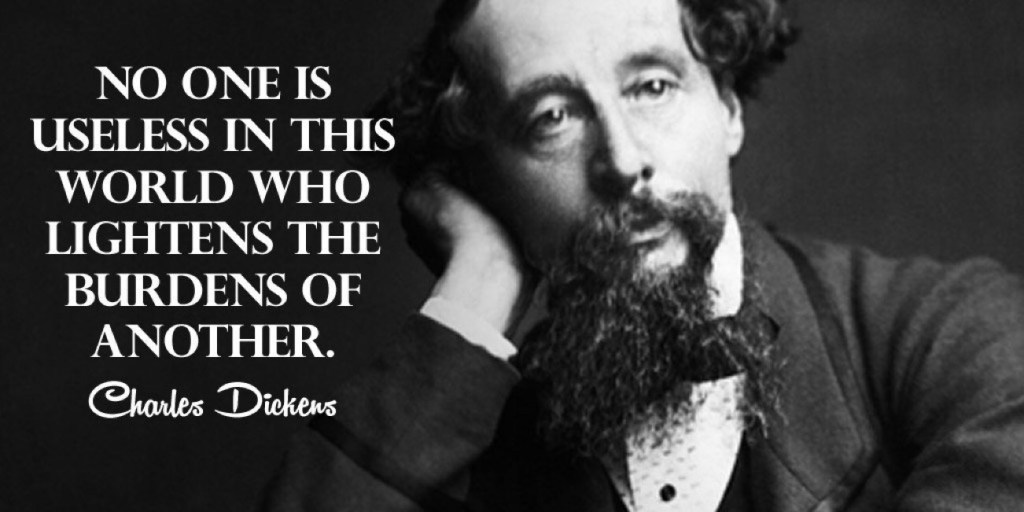
Dickens was of course a great story teller and he drew from his life experiences, everything that went on around him. But he was also a social reformer, challenging the authorities to review and change the circumstances of the poor and working classes.
He lived in a time of great industrial and social upheaval, the heady days of Victorian Britain, a place of both wealth and poverty
“It was the best of times, it was the worst of times, it was the age of wisdom, it was the age of foolishness, it was the epoch of belief, it was the epoch of incredulity, it was the season of light, it was the season of darkness, it was the spring of hope, it was the winter of despair.”
Therefore he not only put his thoughts down in words, he also took action with a sense of purpose. We can all do this, don’t doubt yourself, you like me can help another person.
So don’t wait for the best of times to get started , lighten the burden today.
Dickens was of course a great story teller and he drew from his life experiences, everything that went on around him. But he was also a social reformer, challenging the authorities to review and change the circumstances of the poor and working classes.
He lived in a time of great industrial and social upheaval, the heady days of Victorian Britain, a place of both wealth and poverty
“It was the best of times, it was the worst of times, it was the age of wisdom, it was the age of foolishness, it was the epoch of belief, it was the epoch of incredulity, it was the season of light, it was the season of darkness, it was the spring of hope, it was the winter of despair.”
Therefore he not only put his thoughts down in words, he also took action with a sense of purpose. We can all do this, don’t doubt yourself, you like me can help another person.
So don’t wait for the best of times to get started , lighten the burden today.