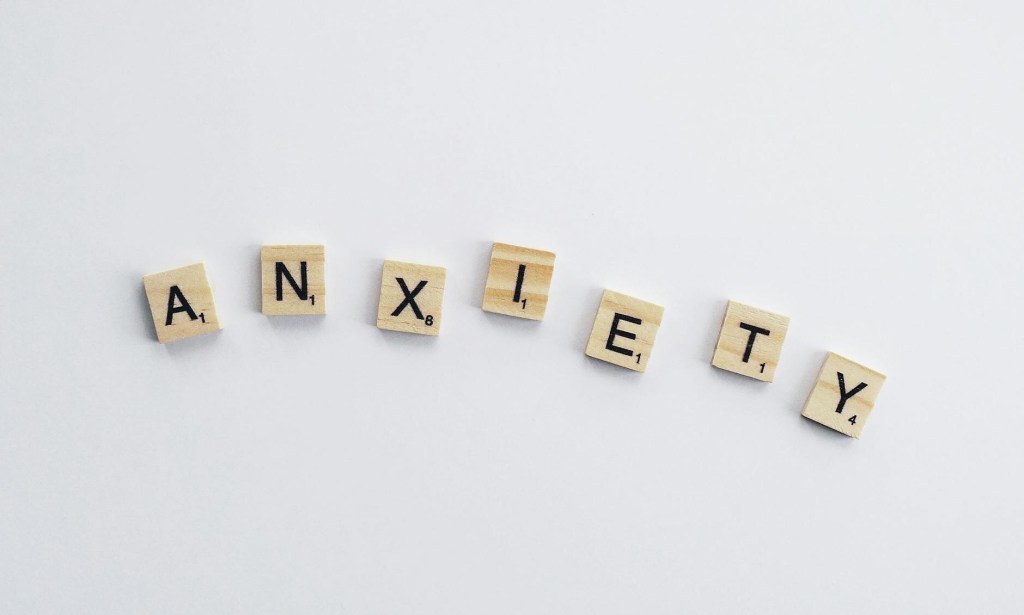
Our perception of anxiety
Our perception of anxiety is as personal as the colour of our eyes. It is sourced from our very existence such as : individual experiences, personality traits, cultural background and social support systems.
Anxiety is a natural human response to stress or perceived threats and it serves as a protective mechanism that helps us cope with potentially dangerous situations. However, when anxiety becomes excessive or overwhelming, it can negatively impact our daily life and well-being.
Here are some common aspects of how anxiety might be perceived:
1. Emotional experience: Anxiety is often associated with feelings of fear, worry, nervousness, or unease. You may even experience it as a sense of impending doom or a feeling of being on edge.
2. Physical sensations: You are probably familiar with the physical symptoms of anxiety , such as increased heart rate, sweating, trembling, muscle tension, headaches, gastrointestinal discomfort and shallow breathing.
3. Cognitive effects: Your racing thoughts, difficulty concentrating, excessive worry about potential negative outcomes and a heightened focus on perceived threats is feed by your anxiety.
4. Behavioral responses: Common behaviours are avoidance, which involves avoiding situations or activities that trigger their anxiety. Also you might seek reassurance, engage in repetitive behaviours, or have difficulty making decisions.
5. Time perception: When experiencing anxiety, time may feel like it’s passing slowly, and you might feel trapped in the moment or feel like the anxiety will never end.
6. Social interactions: Anxiety can impact social interactions, leading to feelings of self-consciousness, fear of judgment, and avoidance of social situations. This can be exasperated during the holiday season.
7. Impact on functioning: Severe anxiety can interfere with a your ability to carry out daily tasks, work, or maintain relationships.
It’s important to note that while some level of anxiety is normal and can be adaptive and a source of energy, excessive or chronic anxiety can be detrimental to your mental and physical health.
Therefore just as your perception of anxiety is unique so should be your solutions and seeking the correct professional help is essential to effectively understand and manage your thoughts, feelings and behaviours.
As a member of the CHPA, my qualifications , experience, continuous professional training, peer support and supervision can reassure you that I will provide the highest possible level of service to your unique needs.
Feel free to contact me: Contact
David McAllister BSc(Hons),Dip App S.S.,ADCHP, MCHPA
Phone: 085 843 5939
Email: anxietyclinic@dublin.com
 Anxiety Clinic Dublin