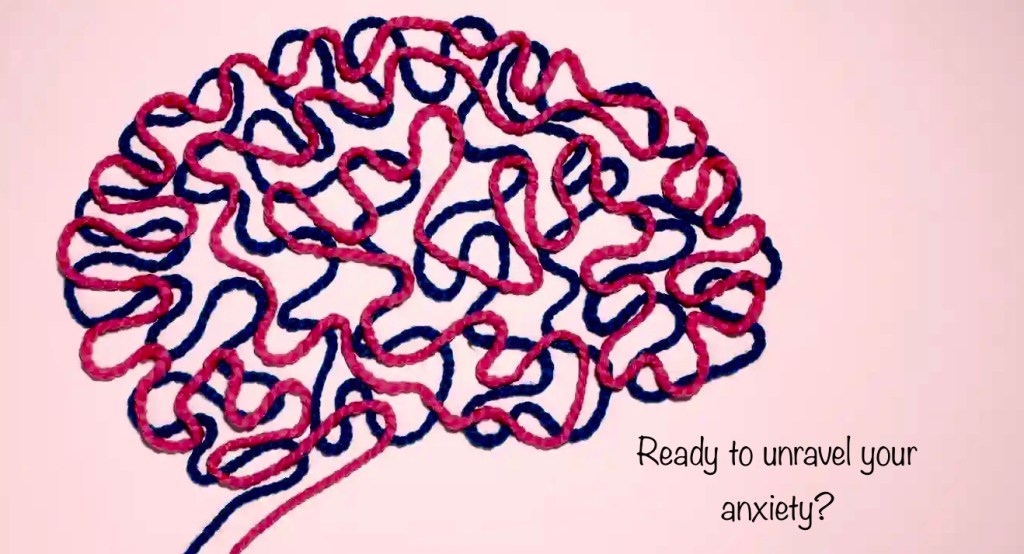
Our perception of anxiety is as personal as the colour of our eyes. It is sourced from our very existence such as : individual experiences, personality traits, cultural background and social support systems.
Anxiety is a natural human response to stress or perceived threats and it serves as a protective mechanism that helps us cope with potentially dangerous situations. However, when anxiety becomes excessive or overwhelming, it can negatively impact our daily life and well-being.
Here are some common aspects of how anxiety might be perceived:
1. Emotional experience: Anxiety is often associated with feelings of fear, worry, nervousness, or unease. You may even experience it as a sense of impending doom or a feeling of being on edge.
2. Physical sensations: You are probably familiar with the physical symptoms of anxiety , such as increased heart rate, sweating, trembling, muscle tension, headaches, gastrointestinal discomfort and shallow breathing.
3. Cognitive effects: Your racing thoughts, difficulty concentrating, excessive worry about potential negative outcomes and a heightened focus on perceived threats is feed by your anxiety.
4. Behavioral responses: Common behaviours are avoidance, which involves avoiding situations or activities that trigger their anxiety. Also you might seek reassurance, engage in repetitive behaviours, or have difficulty making decisions.
5. Time perception: When experiencing anxiety, time may feel like it’s passing slowly, and you might feel trapped in the moment or feel like the anxiety will never end.
6. Social interactions: Anxiety can impact social interactions, leading to feelings of self-consciousness, fear of judgment, and avoidance of social situations. This can be exasperated during the holiday season.
7. Impact on functioning: Severe anxiety can interfere with a your ability to carry out daily tasks, work, or maintain relationships.
It’s important to note that while some level of anxiety is normal and can be adaptive and a source of energy, excessive or chronic anxiety can be detrimental to your mental and physical health.
Therefore just as your perception of anxiety is unique so should be your solutions and seeking the correct professional help is essential to effectively understand and manage your thoughts, feelings and behaviours.
As a member of the CHPA, my qualifications , experience, continuous professional training, peer support and supervision can reassure you that I will provide the highest possible level of service to your unique needs.
With Halloween fast approaching it can often evoke themes of fear, making it a prime time for the spotlight on various phobias. Here are some of the most common phobias associated with Halloween (incidentally there is nothing funny about no. 6):
1. Samhainophobia – Fear of Halloween: Named after Samhain, the ancient Celtic festival that Halloween is based on, this phobia refers to a fear of Halloween itself and the associated symbols, events, and customs.
2. Nyctophobia – Fear of the Dark: Halloween activities often take place at night, and many people with this phobia may feel heightened anxiety as darkness is a central element of the holiday.
3. Phasmophobia – Fear of Ghosts: Ghosts are a common theme during Halloween, making people with this phobia especially uncomfortable around the imagery or discussions of spirits and the supernatural.
4. Arachnophobia – Fear of Spiders: Spiders are a frequent Halloween decoration, and people with this common phobia may feel anxious or disturbed by the appearance of spiders, real or fake.
5. Claustrophobia – Fear of Enclosed Spaces: Haunted houses and Halloween attractions often involve cramped, dark spaces, which can trigger feelings of claustrophobia.
6. Coulrophobia – Fear of Clowns: Halloween often brings out people in clown costumes, which can provoke extreme anxiety for those who suffer from this fear.
7. Necrophobia – Fear of Death or Dead Things: Halloween’s association with death, including skeletons, graveyards, and depictions of the undead, can be overwhelming for those with necrophobia.
8. Thanatophobia – Fear of Dying: Related to necrophobia but more focused on the individual’s own mortality, Halloween’s death-related imagery can exacerbate this fear.
9. Hemophobia – Fear of Blood: With many costumes and decorations featuring fake blood or gory themes, this phobia may be heightened during Halloween.
10. Masklophobia – Fear of Masks: Halloween costumes often involve masks, which can trigger fear and anxiety in people uncomfortable with concealed faces.
These phobias are intensified by the themes of horror, death, and the unknown that are central to Halloween celebrations but it doesn’t have to be all trick and no treat.
These phobias can be dealt with and managed effectively if you are willing to give up what you are holding onto.
If any of the above affects you emotionally then feel free to contact me to discuss how you can best get the help you need.
In today’s fast-paced and demanding work environment, mental self-care has become essential, especially for young professionals. Navigating career responsibilities, social expectations, and personal goals can be overwhelming, leading to burnout, stress, and even mental health issues. Prioritizing mental self-care isn’t just beneficial; it’s necessary for maintaining productivity, emotional balance, and overall well-being.
First, it’s important to recognize that mental self-care involves practices that nurture the mind and emotions. For young professionals, this often means setting boundaries to separate work from personal life. Although it can be tempting to be always available, constant connectivity often leads to exhaustion. Setting specific times to disconnect from work emails and notifications helps create space for relaxation and rejuvenation. Simple actions like these can significantly reduce stress and improve focus.
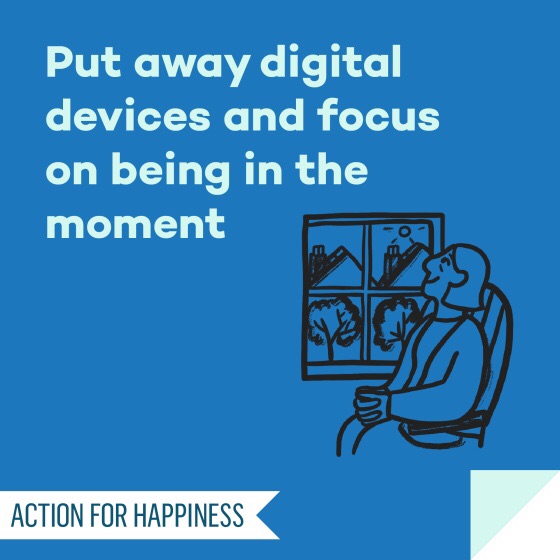
Additionally, incorporating mindfulness practices such as meditation or deep breathing exercises can be transformative. Even just a few minutes of mindfulness each day can reduce anxiety and help improve concentration. These practices teach us to be present in the moment, making it easier to handle challenges with a clear mind. Journaling is another useful tool, allowing you to process thoughts, reflect on achievements, and recognize areas where improvement is needed. It’s a simple yet effective way to connect with your emotions and gain insights into your personal growth.
Physical well-being also plays a critical role in mental self-care. Regular exercise, a balanced diet, and sufficient sleep are not just physical needs—they profoundly impact mental health. Exercise releases endorphins, the body’s natural mood enhancers, which can alleviate feelings of stress and depression. Similarly, eating nutritious foods and getting enough sleep provide the energy and mental clarity needed to tackle daily tasks with a positive outlook.
Finally, seeking support from others is crucial. Whether it’s talking with friends, family, or a mental health professional ( contact me using the link below)
Sharing feelings and experiences can relieve stress and provide new perspectives. There’s no shame in asking for help, and often, those around us are more willing to offer support than we might think.
In conclusion, mental self-care is essential for young professionals striving to balance the demands of modern life. By setting boundaries, practicing mindfulness, prioritizing physical health, and seeking support, it’s possible to cultivate resilience and maintain mental well-being. Making self-care a priority not only enhances personal happiness but also empowers professionals to succeed in both their personal and professional lives.
Wise words from the band Magazine in their song “About the Weather” however I wonder how many of us get stuck on the weather and how it affects our mood.
As the summer solstice fast approaches here in the northern hemisphere, it is fair to say that the weather hasn’t reflected this much so far. Certainly here in Ireland autumnal coats and hats are still in fashion and retail shops will soon be selling off their unwanted summer stock.
However let’s put things into perspective worrying about the weather is pointless for several reasons:
Uncontrollable Nature: The weather is a natural phenomenon that cannot be controlled by individuals. Worrying about something you have no control over is generally unproductive.
Forecast Accuracy: Modern weather forecasting is relatively accurate, and being prepared based on forecasts is more practical than worrying.
Inevitability: Weather will happen regardless of concern. Accepting and adapting to it is more beneficial than stressing over it.
Emotional Impact: Worrying can lead to unnecessary stress and anxiety, which can affect mental health negatively.
Focus on Action: Instead of worrying, it’s more useful to focus on actions you can take, like dressing appropriately, planning indoor activities, or rescheduling events.
In essence, while it’s important to be aware and prepared for the weather, worrying about it doesn’t offer any practical benefits.
So let the weather be and focus on what you can deal with, your thoughts, feelings and behaviours.
Remember the sun always shines even behind the clouds.
The Guardian article a quick walk leads to bright ideas
A great article on the benefits for getting outside and moving. That bright idea that has been alluding you might just be a few steps around the block away. Give it a go today you might just surprise yourself.
Today is a further opportunity for all of us to become more aware that mental health is as important as physical heath and requires as much maintenance. Indeed to borrow a phrase from President Truman they are: “Two halves of the same walnut” So today of all days put your mental health first and take action as nothing changes without it. Also here’s a nutritional tip why not try eating a few walnuts as they just happen to be a superfood for the brain.
Read and reread this fantastic poem until you realise what fear really is.
It is said that before entering the sea a river trembles with fear.
She looks back at the path she has traveled, from the peaks of the mountains, the long winding road crossing forests and villages.
And in front of her, she sees an ocean so vast, that to enter there seems nothing more than to disappear forever.
But there is no other way. The river can not go back.
Nobody can go back. To go back is impossible in existence.
The river needs to take the risk of entering the ocean because only then will fear disappear, because that’s where the river will know it’s not about disappearing into the ocean, but of becoming the ocean.
30 days and 30 ways to make life a little bit more positive.
Try out the daily tasks see which ones work best for you. Keep going until the end of June. If you miss one or two, that’s okay, the tasks are small enough and doable enough to double up on any given day.
An interesting portmanteau for hangover and anxiety. Growing up I would known this as “the fear”. An interesting article which for me highlights the need to go with your anxiety, listen to what it is telling you, there is much truth in the old Latin saying,”In vino veritas”. We can learn lessons from anything and anyone and this might be another way to really focus in what your mind and body are telling you. However remember to enjoy yourself as time does march on , as always it’s a question of balance and if you do find yourself in that Sunday morning state of “hang-xiety” , take your “go to” cure (mine was Irn Bru, for those unfamiliar with this drink you are missing a trick) and sit down and listen to yourself as school is in for an unfiltered session on what’s going on in your life.
Picture the scene, your in bed, anxiously just lying there,the seconds on the clock becoming minutes which soon become hours. No sleep just thoughts bouncing around your head. This is so common when we are anxious.Worry, stress, rerun conversations going round and round and feeling totally bushwhacked when it’s time to get up.
We never seem to be able to relax, always walking zombie like through life always making mistakes and that no matter how hard we try we always seem to be in trouble or doing things wrong.
Despite our best of intentions of trying to keep helping other people, or to make a positive difference, it all seems to keep going wrong.
Sometimes when we are anxious, we end up trying too hard, or not seeing the problems in what we’re doing, because we’re rushing around not able to focus on what we are doing we end up making a mess of things.
I can think of so many people who just couldn’t stop and kept making things worse even though they had the best of intentions.
When the anxiety systems of the brain are active, we’ll often get that knot in the stomach, or a tight chest, and those physical feelings make everything feel urgent and really strong. We act instinctively trying to do the right thing but time after time it seems like we just keep getting it wrong.
The more you try the worse it seems to get , your anxiety feeding self doubts and feelings of failure. You beat yourself up over the smallest things , you feel alone as if it’s only you going through this constant cycle of anxious failure.
It doesn’t all have to be like this. Little changes can make a big difference. Cutting stress with simple activities like mindfulness, exercise, focused breathing etc can all dial down the strength of that worry reaction.
However, if there’s been a lifelong tendency of anxiety or to always be worrying, or having constant mental reruns , then there’s probably a lot of opportunity to make life better by dealing with those issues. That’s what has completely turned the lives around for many people I have seen.
My honest advice is be true to yourself and make a list of what and how often you are worrying or stressing and see how big an issue it is in life. You can choose to ignore it but if that’s what you have been doing up until now ask yourself how that’s been working out for you.
There are a lot of proven ways to reduce anxiety, worry, fears and phobias – I use a variety of strategies tailored to personal needs.
Recognizing that there’s room for improvement in life is very often the first step that takes us to doing what we need to do to make our life better in the future.
You have lost enough sleep to anxiety now is the time to get the help you need.
On an island with the Atlantic to the West and the Irish Sea to the east September brings in many changes. Not only the weather as who can tell the variables of such a potent force? But more than this for us as people. Our lives change back to the normal, back to the routine- school, work, commuting, and so on.
Another year has passed, some people have gone, some have arrived , that unstoppable circle of life that the seasons only provide a marker to what time it is. The Sun’s casting shadow getting longer, if indeed you’re lucky enough to see it (remember it always shines above the clouds) as we tread further into our daily life.
Like I said at the beginning I like September as it provides us with an opportunity to reflect on the summer gone, even the year that has passed but more importantly take notice of what’s going on now. A moment to plan for the winter ahead on how we are going to protect ourselves, physically from the elements and mentally from the stresses and anxieties of daily life.
So as the sun sets on summer what are you going to do to protect yourself perhaps some of these tips will help:
Keep connecting with your family and friends
Get active, move more
Make time for yourself doing something that you want to do
Smile and be grateful for what and who you are
Take two minutes to be mindful (I can send you on my two minute sessions for you to try)
Whatever it is you choose remember the sun is going to set anyway, your not alone, the seasons will come and go , we all go through it, but we can go through it together.
It’s a simple enough question, you would think. However are you feeling anxious just thinking about how to answer?
We all assume that working hard is a good thing and many studies suggest that having a good work ethic enhances your motivation, discipline and encourages continuous skill set improvements.
That may be true however at what cost?
I encounter many hard working people at my anxiety clinic who despite putting in all the effort still feel anxious, stressed and a feeling of being overwhelmed.
So what can be done to reduce these anxious feelings?
Well let’s start by saying working hard is a good thing but in the right way at the right time. So continue to work hard but just enhance it by adding the following suggestions:
1. Grade Tasks in level of importance : Focus your time and energy on what matters the most first and prioritise others accordingly.
2. Be goal specific : Nothing new in this however don’t get hung up if they don’t work out. It’s the journey not the destination that matters.
3. Utilise technology : Embrace the 21st Century’s technology. Such as: productivity apps, automated repetitive tasks and online resources
4. Time Outs : Essential to recharge your batteries. Be guilt free and embrace your breaks. You will feel better for it.
5. See the learning : There are no mistakes, only feedback, acknowledge it and use it to improve.
By letting go of the feeling of having to do everything will give you the ability to get the right thing done at the right time. Do it, you might just surprise yourself.
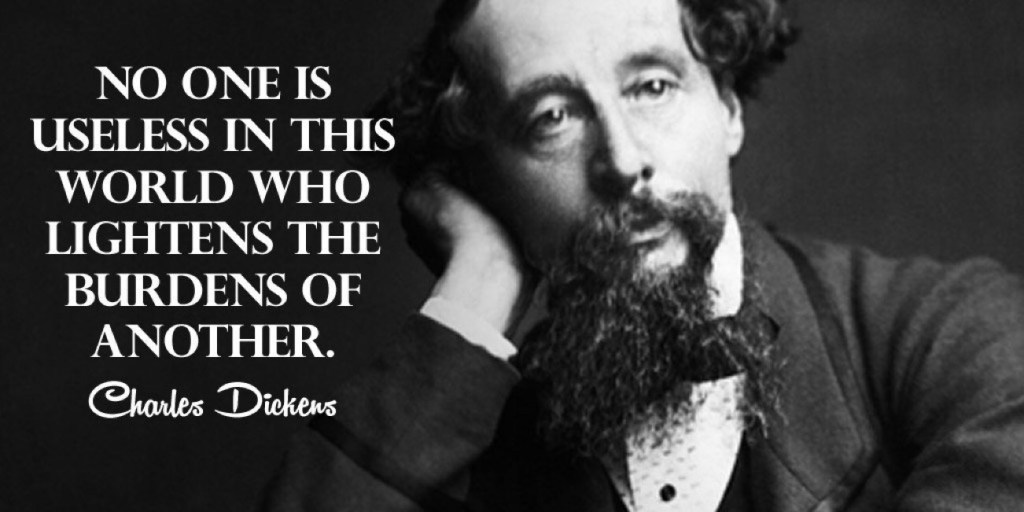
Dickens was of course a great story teller and he drew from his life experiences, everything that went on around him. But he was also a social reformer, challenging the authorities to review and change the circumstances of the poor and working classes.
He lived in a time of great industrial and social upheaval, the heady days of Victorian Britain, a place of both wealth and poverty
“It was the best of times, it was the worst of times, it was the age of wisdom, it was the age of foolishness, it was the epoch of belief, it was the epoch of incredulity, it was the season of light, it was the season of darkness, it was the spring of hope, it was the winter of despair.”
Therefore he not only put his thoughts down in words, he also took action with a sense of purpose. We can all do this, don’t doubt yourself, you like me can help another person.
So don’t wait for the best of times to get started , lighten the burden today.
Dickens was of course a great story teller and he drew from his life experiences, everything that went on around him. But he was also a social reformer, challenging the authorities to review and change the circumstances of the poor and working classes.
He lived in a time of great industrial and social upheaval, the heady days of Victorian Britain, a place of both wealth and poverty
“It was the best of times, it was the worst of times, it was the age of wisdom, it was the age of foolishness, it was the epoch of belief, it was the epoch of incredulity, it was the season of light, it was the season of darkness, it was the spring of hope, it was the winter of despair.”
Therefore he not only put his thoughts down in words, he also took action with a sense of purpose. We can all do this, don’t doubt yourself, you like me can help another person.
So don’t wait for the best of times to get started , lighten the burden today.