My attention was recently alerted to this interesting yet, for some, debilitating condition.
Crossing a bridge is usually a routine part of everyday travel. Right? However for some people, including professional drivers, it can trigger intense fear, anxiety and an urge to avoid the journey.
Symptoms experienced can be – dizziness, trembling, palpitations, nausea and a strong fear of losing control. If this is you then you are probably suffering from Gephyrophobia.
Now avoiding bridges may provide immediate relief, but avoidance can also just reinforce the fear. Therefore avoidance is not a long term solution it is just compounding the problem.
Here at, Anxiety Clinic Dublin I provide practical solutions for people experiencing anxiety and phobias.
Focussing on understanding the anxiety response, developing personal coping strategies and working towards greater confidence around situations that trigger the fears.
Therefore if the fear of bridges is affecting your travel, work, relationships or independence, feel free to reach out to me and I will be happy to chat about providing a solution to your problem.
You can find out more about David McAllister and Anxiety Clinic Dublin at :
Fear of heights person standing high up on a metal pole
Introduction
Do you feel anxious standing on a balcony, climbing stairs, or visiting scenic viewpoints? If so, you may be experiencing Acrophobia—a common but often misunderstood anxiety condition.
The good news is that effective, natural solutions are available here in Ireland. Hypnotherapy combined with Neuro-Linguistic Programming (NLP) is helping many peopleovercome fear of heights and regain confidence in everyday life.
What Is Fear of Heights (Acrophobia)?
Acrophobia is an intense fear triggered by heights, even in safe situations. It can affect your ability to enjoy travel, work environments, or even simple activities like using escalators or walking across bridges.
Common Symptoms:
• Rapid heartbeat
• Dizziness or nausea
• Panic attacks
• Feeling frozen or unable to move
• Strong urge to escape
If left unaddressed, this fear can limit your lifestyle and opportunities.
Why Do People Experience Height Anxiety?
Fear of heights can develop for many reasons, including:
• A past fall or frightening experience
• Learned fear from others
• Stress or general anxiety
• The brain’s natural “fight or flight” response
In many cases, the fear is deeply rooted making it difficult to overcome through logic or willpower alone.
How Hypnotherapy Can Help
Hypnotherapy is a safe, natural, and increasingly popular approach across Ireland for treating anxiety and phobias.
It works by diverting your conscious attention thus allowing access to the deeper patterns and neurological connections driving your fear.
Benefits of Hypnotherapy:
• Identifies and addresses root causes
• Reprogrammes negative thought patterns
• Reduces anxiety quickly and effectively
• Builds calmness and confidence
Many clients report feeling noticeably more relaxed around heights after just a few sessions.
NLP Techniques for Fear of Heights
Neuro-Linguistic Programming (NLP) complements hypnotherapy by focusing on how your thoughts and internal language shape your emotional responses.
Key NLP Methods:
• Visualization: Replacing fear with calm mental imagery
• Anchoring: Creating a physical trigger for relaxation
• Reframing: Changing how you interpret height-related situations
• Pattern interruption: Breaking automatic fear responses
Together, these techniques help you respond differently—and more calmly—to heights.
Why Choose Anxiety Clinic Dublin?
Working with a local practitioner in Dublin offers several advantages:
• Personalised, one-to-one sessions
• Understanding of local lifestyle and stress factors
• Convenient in-person or online appointments
• Ongoing support throughout your progress
Whether you live in Dublin or elsewhere in Ireland, professional hypnotherapy can provide a structured, supportive path to overcoming your fear.
Simple Steps You Can Start Today
While professional help is highly effective, you can begin managing your fear with these techniques:
Controlled Breathing:
Slow your breathing to calm your nervous system.
Gradual Exposure:
Take small steps—start with low heights and build confidence gradually.
Positive Self-Talk:
Replace fearful thoughts with supportive ones like:
A qualified hypnotherapist can tailor sessions specifically to your needs and help you progress faster.
Take the First Step Toward Confidence
Living with Acrophobia can feel limiting—but change is absolutely possible. With hypnotherapy and Neuro-Linguistic Programming, you can retrain your mind, reduce anxiety, and feel more in control.
If you’re based in Dublin or anywhere in Ireland, now is the perfect time to take that first step.
👉 Ready to overcome your fear of heights?
Consider booking a hypnotherapy session today and start building confidence in a safe, supportive way.
It’s usually the scream that alerts you. There is uninvited guest to dinner.
A moving shadow on the wall, the floor or God forbid the actual dinner table!
It’s that time of year again, the seasons are changing, but for the common garden spider it’s business as usual. Well fed on a summer bounty it’s time to come inside and find a mate.
“That’s nice, well for them, they have been kept pests off my hydrangeas all summer so the least they deserve is a little romance.” I hear you say?
Probably not as far as you are concerned, they can scroll along “Spider Tinder” and head for the other side of town.
But that’s not going to happen, they are in your house looking for love and don’t really give a damn what you think.
Think, how you think that’s the key. The spiders don’t care so why should you?
Because you do care, you believe spiders are:
• Ugly
• Scary
• Dangerous
• Harmful
They impact on your life, stopping you from doing things:
• Entering rooms in your house
• Gardening
• Hiking
• Even enjoying Halloween
So the real question is do you want this to continue? Feeling scared and anxious, missing out on pleasurable and indeed just normal activities?
What if you have had enough and want to think and feel differently?
What if you want to stop missing out and engaging more in life?
Well why not look into hypnotherapy?
Hypnotherapy: A Spider-Sense for Overcoming Arachnophobia
Arachnophobia, the fear of spiders, is a common phobia that can significantly impact a person’s quality of life. Many individuals find themselves avoiding activities like gardening, hiking, or even entering their own homes due to the fear of encountering a spider. Hypnotherapy, a therapeutic technique that utilizes the power of the mind, has emerged as a promising approach for overcoming arachnophobia.
How Does Hypnotherapy Work for Arachnophobia?
Hypnotherapy involves guiding a person into a deep state of relaxation and focus, often referred to as a trance. In this state, the therapist can work with the individual’s subconscious mind to address the underlying fears and beliefs associated with arachnophobia. This may involve:
* Identifying and challenging negative thoughts and beliefs: Hypnotherapists can help individuals identify and challenge irrational thoughts about spiders, such as believing they are dangerous or harmful.
* Rewiring neural pathways: Through hypnotherapy, it’s possible to rewire the brain’s neural pathways associated with fear, gradually replacing negative responses with more positive and neutral ones.
* Creating a sense of control: Hypnotherapy can help individuals develop a sense of control over their fear, enabling them to manage their anxiety and respond to spiders in a more rational way.
Benefits of Hypnotherapy for Arachnophobia
* Non-invasive and drug-free: Hypnotherapy is a natural and non-invasive approach that does not involve medication or invasive procedures.
* Tailored treatment: Hypnotherapy can be customized to address the specific needs and fears of each individual, ensuring a personalized treatment plan.
* Rapid results: Many individuals report experiencing significant improvements in their arachnophobia symptoms within a relatively short period of hypnotherapy sessions.
* Long-lasting benefits: The positive changes achieved through hypnotherapy can often be long-lasting, providing individuals with ongoing relief from their fear.
Is Hypnotherapy Right for You?
Hypnotherapy can be an effective tool for overcoming arachnophobia, but it’s important to note that it may not be suitable for everyone. If you’re considering hypnotherapy, contact me to discuss your specific situation and determine if it’s the right approach for you.
Remember, conquering arachnophobia is a journey, and the path may vary for each individual. With the help of hypnotherapy, I have helped many people to overcome their fear of spiders and regain their confidence in facing the world.
I am sometimes asked if a fear of heights (acrophobia) and a fear of flying (aviophobia or aerophobia) are connected as I have came across many people happy to get on an aeroplane to cross an ocean yet can’t climb a ladder to clean a window and vice versa.
Like most phobias the psychological and physical responses are the same such as:
• increased heart rate, sweating, dizziness, and panic attacks.
• negative thinking patterns and previous experiences, can influence both fears.
However the triggers are different :
• Acrophobia: This fear is triggered by situations where an individual is at a high elevation and can see the drop, such as being on a tall building, a ladder, or a cliff. The fear is often related to the potential for falling(basiphobia)
• Aviophobia: This fear is specifically related to the act of flying in an airplane. It can be triggered by various aspects of flying, such as takeoff, turbulence, or the confined space of an aircraft, and may include fears of crashing or lack of control.
Yet there are overlaps and differences:
• People with acrophobia may also experience fear when flying because airplanes are high above the ground. The thought of being high up can trigger anxiety even if the context is different.
• However, not all people with acrophobia have a fear of flying. Some might feel safe within the enclosed environment of an airplane, where they do not perceive the height in the same way as being on an open structure.
• Conversely, some people with a fear of flying do not have a fear of heights. Their fear may be more related to the specifics of being in an aircraft, such as claustrophobia, turbulence, or the inability to escape the situation easily.
Thus , while there is a potential connection between a fear of heights and a fear of flying, they are distinct phobias with different triggers and may or may not co-occur in the same individual. Yet other phobias such as basiphobia and claustrophobia may be more connected and play a part in the fear triggers and responses.
Hypnotherapy is a powerful proven therapeutic method for dealing with the emotional responses to these fears and phobias and can easily be applied to anyone who wants to get on with their lives. Perhaps visiting people in far away places or getting on the rollercoaster rides with the kids.
You see you don’t have to succumb to your fears and phobias and miss out on the pleasures in life.
There is always a choice, a choice to live your life on your terms and seize the opportunities that fear can rob you from.
These were the words of someone I knew suffering from Musophobia, the fear of mice.
Now the mouse in question was not a real mouse , l think we all would have a reasonable expectation to be scared if it was. Like something that has escaped from a laboratory experiment that has gone terribly wrong.
No, this was a teacher dressed up as the dormouse in their child’s school production of :Alice in Wonderland.
Nonetheless the fear still existed as did the symptoms such as sweating, trembling, rapid heartbeat, shortness of breath, and nausea.
The production was fast approaching and they were desperate to attend and not to miss their child’s performance.
So we got down to work, using the powers of hypnotic imagination and concentration in a relaxed state. Utilising powerful suggestion and imagery to address the underlying fears and anxieties associated with mice ( of any shape or size).
I have to admit it was touch and go as the deadline grew closer but before the curtain was raised they occupied their seat to be part of a performance of a lifetime ( and the show wasn’t too bad either, although the dormouse did seem to sleep through most of the show…)
You see you don’t have to succumb to your fears and phobias and miss out on the pleasures in life.
There is always a choice, a choice to live your life on your terms and seize the opportunities that fear can rob you from.
Always interesting to work with and learn from ASD clients. This article below will give you an insight into five ways how hypnosis can help. Well worth a read.
Good to see hypnotherapy suggested as a positive way of managing your anxiety (number 7).
Taking action is imperative when dealing with anxiety, seeking out help from a well trained hypnotherapist such as all the members of the CHPA (chpa.ie) can make all the difference.
Don’t leave it to chance, if you or someone you know, is need of help in dealing with anxiety then contact the CHPA, where a hypnotherapy professional will be happy to help.
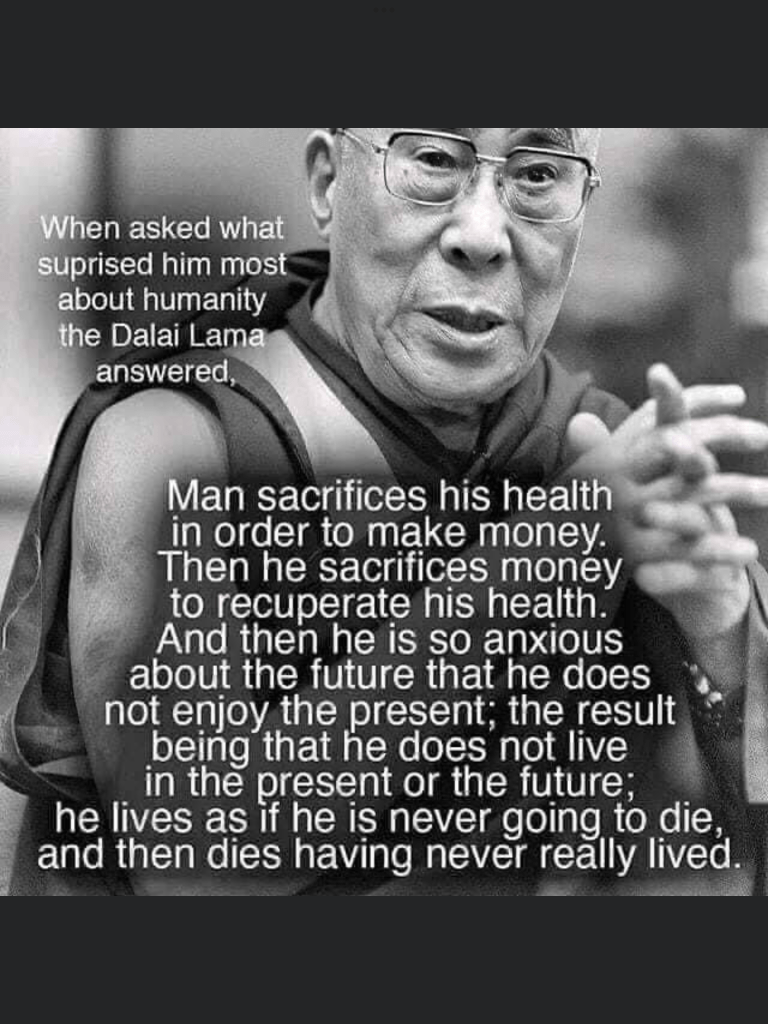
Although we are nearing the end of the year and we reflect on the past and look forward to the future; how many of us take the time to be in the present?
We can only be physically in the present so let’s bring our minds there too.
As the current Chairperson of the CHPA I would like to thank Aidan and The Irish Examiner for this excellent article highlighting the positive impact hypnotherapy has had on providing support for people suffering during the pandemic. The CHPA is leading the way in providing professional hypnotherapy services, with all members fully qualified, insured and Garda (Police) vetted.
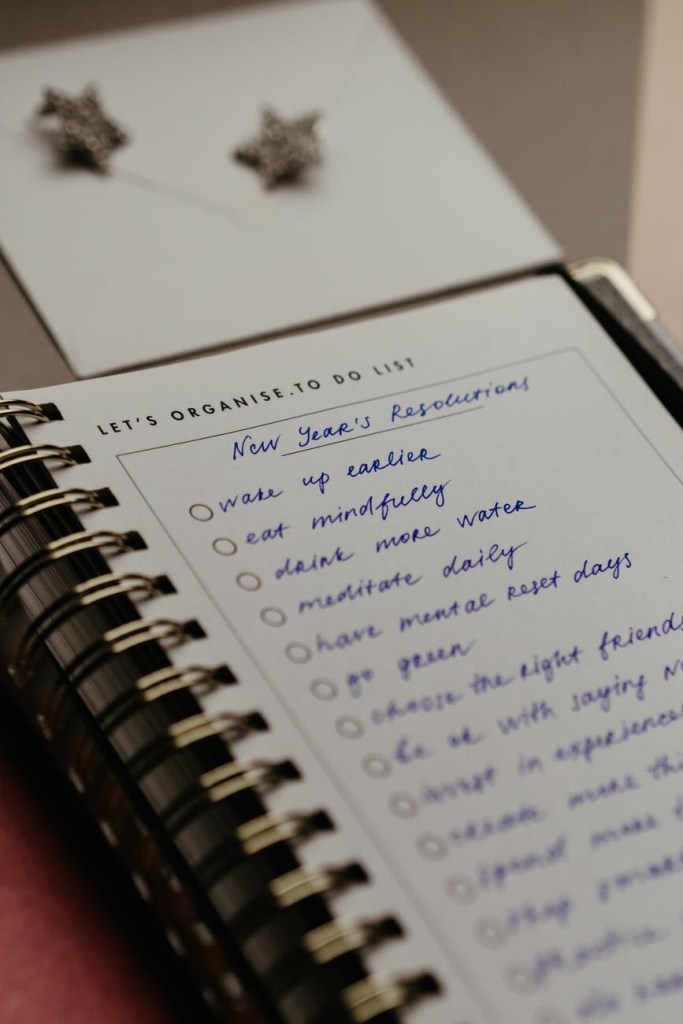
But for now let me help you with the SMART goal setting process.
SMART stands for – Specific / Measurable / Achievable /Relevant/ Time related.
For example you may set long-term outcome goals such as getting a ‘dream body’ or to be happier and, as a starting point, these sound like good goals.
The problem is that the goal-setting process for many people stops there.
People who develop action plans experience LESS ANXIETY, MORE CONFIDENCE and GREATER SATISFACTION about achieving their goals and are more likely to SUCCEED.
Let’s take weight loss as an example. Saying I want to lose weight is a noble statement however by saying,” I want to lose 20lbs or 10 kg is more SPECIFIC.
Then by adding, “…before my summer holidays” gives a chance to MEASURE the weight drop in stages.
Next you have to ask yourself, “is it ACHIEVABLE”. How are you going to achieve this goal- coaching, diet, exercise, hypnosis?
You need a balance of- challenging enough to keep you motivated, but not too hard as you might lose focus and experience feelings of anxiety and stress.
(I use a specific analysis technique for weight management which I can gladly go through with you).
The RELEVANT stage is very important as this is where you need to ask yourself, “Does this goal really matter to me?” The answer better be “YES”, but if there is no real internal motivation and desire to achieve it, you’ll probably fail.
Finally setting a TIMELINE for when you want to achieve your goal is important.
This is the part where you need to make use of setting goals that are both long and short term; our main goal may be 6-8 months away but by setting short term goals you will always have an upcoming goal to work towards.
Hopefully this has been helpful to you about both the importance of wanting to achieve your goal and how to go about it. Sure I am always available to help you start, maintain and achieve the goals you deserve.
Some alarming statistics where nearly 20% linked to anxiety based disorders.
Get this quote from the paper :
Anxiety and fear-related disorders were a prevalent condition in our sample; they were also the second highest risk factor for death among the underlying conditions considered in our study.
A little gift from a former client which was very nice of them. It came with a little note stating that I had helped her stay afloat.
I think it’s not always clear cut on how we need to approach problems and indeed solutions as there may be a third way which is available if only we take the time to appreciate it.
She didn’t want to give up by sinking nor swim away but just staying afloat was enough to keep her head in the right place.
The note concluded with , “It’s been a pleasure”. My sentiments exactly.
Just been helping my daughter with her science project with one of my all time favourite psychological experiments. The Stroop Test.
Although used for assessing attention deficiencies and brain injury disorders it can also help people become more aware of how we process information and how we can improve our attention span and focused attention.
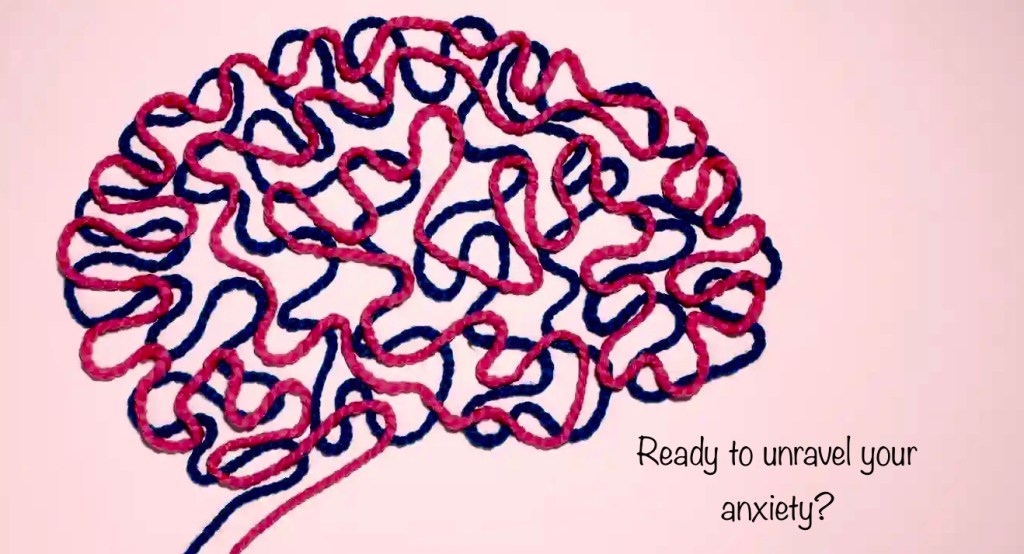
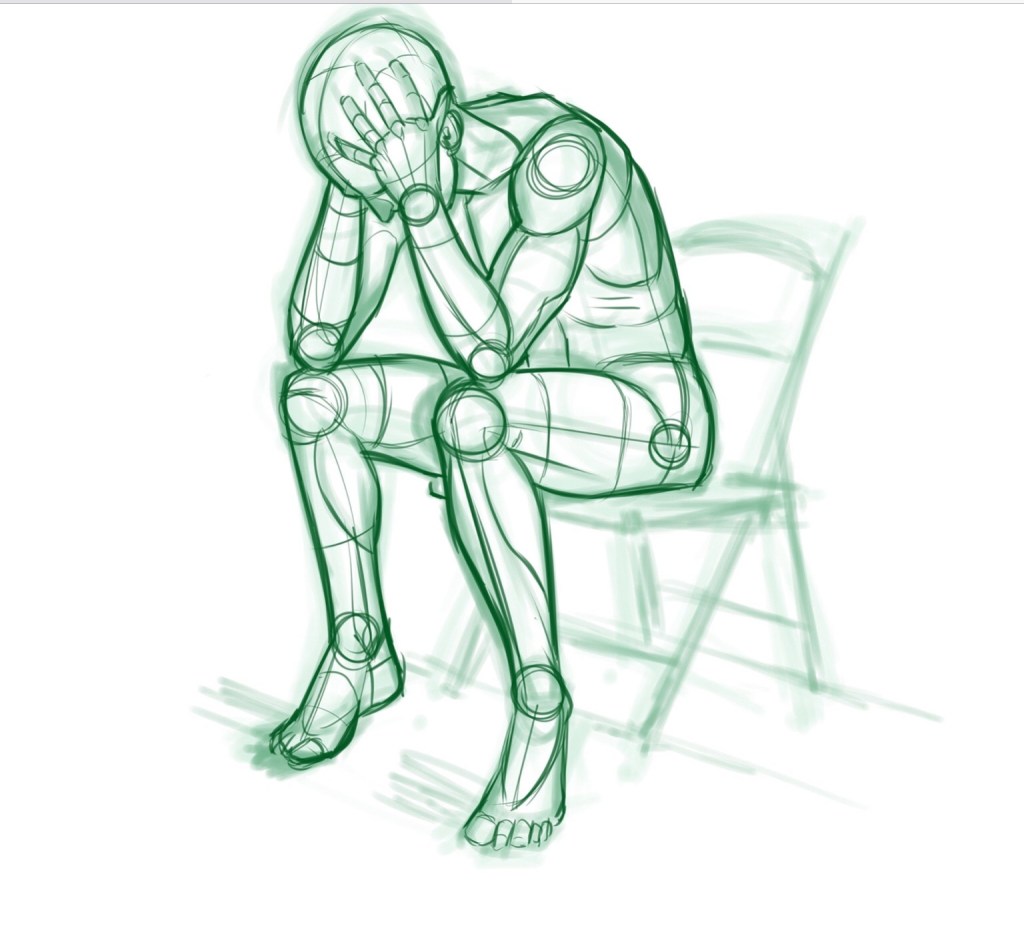
Stress and anxiety are in my experience involved in a great many of the causes for clients coming for hypnotherapy.
People looking for hypnotherapy may present with an issue such as smoking or weight loss however I see stress and anxiety as an underlying cause and can lead to many problems if ignored.
Relaxation exercises, and other stress management techniques can be very useful in overcoming stress and anxiety caused by everyday life. So much so I utilise these frequently.
Due to a variety of socio-economic conditions, stress and anxiety have now become more widely recognised by both individuals and employers. Globally thousands of work days are lost to these conditions .
In addition there is great personal anxiety which can lead to relationship tension , depression, panic attacks and many other problems.
Effective stress and anxiety management means not just dealing with the presenting stress and anxiety but to also help to avoid reaching high stress and anxiety levels in the first place. Hypnosis can help by:
>Creating an understanding about the reasons and factors underlying stress and anxiety.
> Teaching relaxation techniques so you can develop new ways to relax naturally and easily.
>Reframing thinking to help with panic attacks, anxiety and fears.
Remember stress and anxiety can cause problems in very clever and unhelpful ways. But it doesn’t have to be like this, even if you don’t think you have choices- you do.
We might not be able to avoid stress and anxiety and indeed we all need a little edge to keep us alive but let’s take action before it gets too much to handle.
Stay safe and for any further information please feel free to contact me: